Dyeing to Learn: Inside Semarang's Secret Batik Studios Where Ancient Art Meets American Curiosity
Most American travelers land in Indonesia with Bali on the brain. And honestly, fair enough — Bali is stunning. But those who make the short hop over to Semarang, Central Java's sprawling, wonderfully chaotic capital, often leave saying the same thing: why didn't anyone tell me about this place sooner?
One of the biggest reasons? Batik. Specifically, the kind of batik experience you can't get in a tourist mall or a hotel gift shop — the kind that happens in a cramped, wax-scented studio where a 70-year-old grandmother corrects your grip on the canting tool and her grandkids bring you sweet tea.
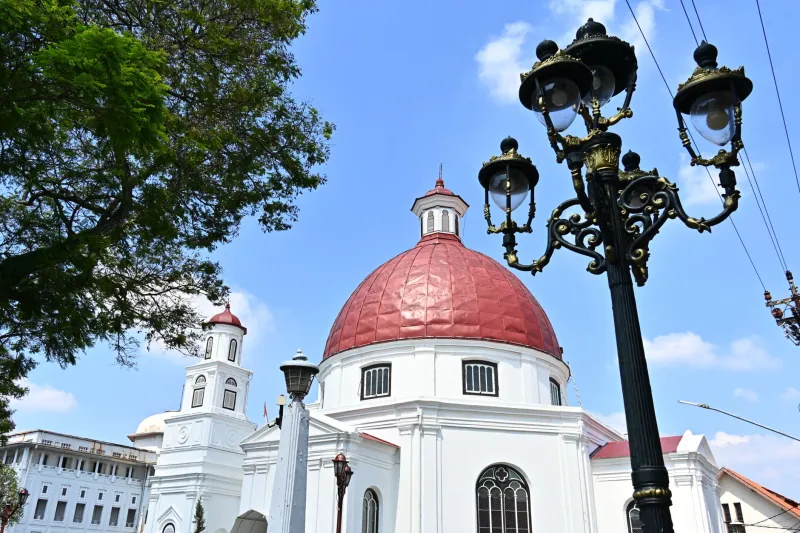
Semarang has a quietly thriving network of family-run batik workshops, many of them tucked into the city's historic Pecinan (Chinatown) district and the old kampung neighborhoods near Lawang Sewu. These aren't polished tourist operations. They're working studios that have been producing hand-crafted cloth for generations — and increasingly, they're welcoming curious visitors from halfway around the world.
What Exactly Is Batik, and Why Does It Matter?
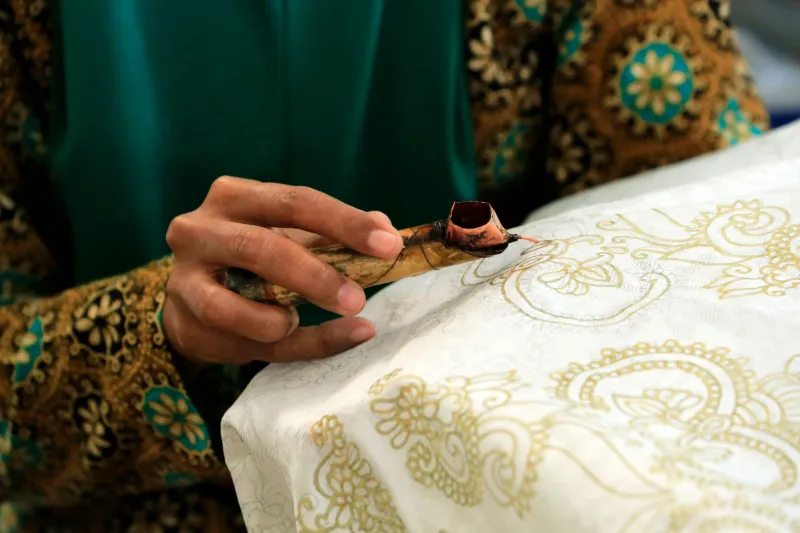
If you're new to the concept, here's the quick version: batik is a centuries-old Indonesian textile art that uses hot wax and natural or synthetic dyes to create intricate patterns on fabric. The wax acts as a resist — wherever it's applied, the dye can't penetrate — which is how those gorgeous, precise designs take shape.
UNESCO inscribed Indonesian batik on its Intangible Cultural Heritage list back in 2009, which was a massive deal for artisans across the country. In Semarang, the tradition carries an extra layer of cultural complexity because the city's history as a major colonial trading port means its batik designs often blend Javanese motifs with Chinese and Dutch influences. You'll see phoenix patterns sitting alongside traditional kawung circles. It's a textile that literally tells the story of this city.
"Every pattern has a meaning," says Pak Hendra, a third-generation batik maker whose studio sits on a narrow lane off Jalan Beteng. "When Americans come here, I always tell them — you're not just making cloth. You're reading a very old letter."
The Studios Worth Seeking Out
Finding these workshops takes a little effort, and that's kind of the point. The ones worth visiting aren't advertising on Google Maps with slick profile photos. Word of mouth — or a trusted local guide — is usually how you find them.
Rumah Batik Pekalongan Semarang near the Kota Lama area is one of the more accessible entry points for first-timers. The workshop offers structured half-day sessions where visitors learn the difference between batik tulis (hand-drawn) and batik cap (stamp-printed), try both techniques, and leave with a small piece of fabric they made themselves. English-speaking staff are usually on hand, which helps.
For something more immersive, locals recommend tracking down smaller family studios in the Kauman neighborhood, historically the heart of Semarang's Muslim merchant community and a place where batik has been produced for well over a century. These workshops typically require a local introduction or a guide who has an existing relationship with the family — but the experience is incomparable. You might spend an entire afternoon working alongside family members, eating lunch together, and hearing stories that no guidebook has ever printed.
What to Expect as a First-Timer
Let's be real: your first batik attempt is going to look a little rough. The canting — a small copper cup on a wooden handle that you fill with hot wax — is trickier to control than it looks, and wax drips happen. A lot. The artisans find this charming rather than frustrating, and there's genuine joy in watching someone discover just how difficult a skill they've long taken for granted actually is.
Most workshops geared toward visitors run two to four hours and cost anywhere from 150,000 to 400,000 Indonesian rupiah (roughly $10 to $25 USD), often including materials and sometimes a light meal. That's an extraordinary value by any measure.
Dress for mess. Wear something you don't mind getting wax or dye on — studios usually provide aprons, but accidents happen. Closed-toe shoes are a good call too.
Why This Matters Beyond the Souvenir
Here's the thing that hits a lot of visitors once they're back home, holding the slightly lopsided piece of fabric they made: batik workshops in Semarang aren't just a fun afternoon activity. They're a small act of cultural preservation.
Many of the master artisans running these studios are genuinely worried about the future of their craft. Cheaper mass-produced batik printed by machine floods Indonesian markets, making it harder for hand-made workshops to compete on price. International visitors who pay fair rates for authentic workshop experiences — and who spread the word when they get home — make a real difference.
"Young people here want to work in offices," says Ibu Sari, who learned batik from her mother and has been teaching it for over 30 years. "If no one is interested in learning, who will keep this alive?"
The answer, increasingly, is people like you — travelers willing to step off the beaten path, get a little wax on their fingers, and sit with a master for an afternoon.
Planning Your Visit
Semarang is about an hour's flight from Bali or Jakarta, with Ahmad Yani International Airport well-connected to both. The Kota Lama (Old City) district is the logical base for batik exploration — it's walkable, historically rich, and has a growing number of decent guesthouses and boutique hotels.
If you want to guarantee a spot at a specific studio, especially during peak travel months (July-August and December), booking through a local cultural tour operator is your safest bet. Organizations like Semarang Heritage Society occasionally run guided batik tours that combine studio visits with broader historical context about the city's textile traditions.
Come hungry for more than just craft. Come hungry for the story behind the craft. Semarang's batik makers have been waiting a long time to tell it.