Who Gets to Keep the City? The Complicated Truth Behind Semarang's Old Town Revival
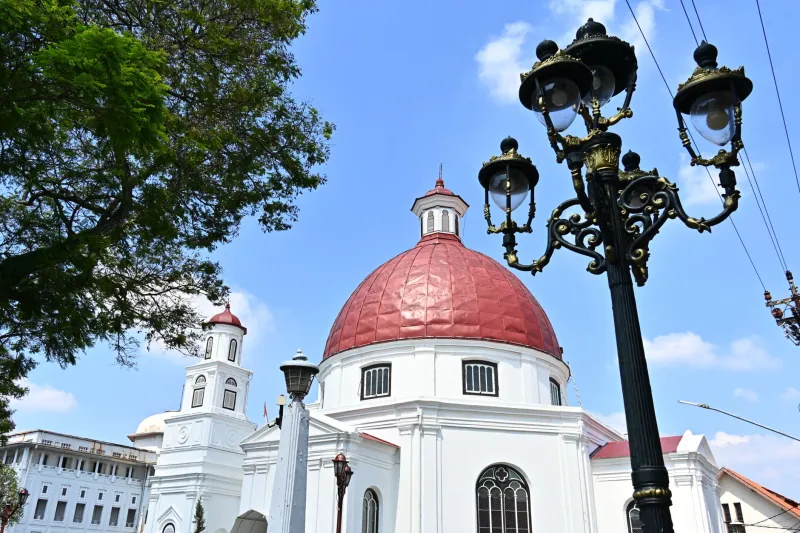
The photographs are genuinely stunning. Cream-colored Dutch colonial buildings with arched windows and terracotta rooflines, freshly restored and glowing in the afternoon light. Couples posing in front of ornate facades. Cafés spilling out onto newly paved sidewalks. Semarang's Kota Lama — the Old City — looks, in filtered photos at least, like a European quarter transplanted to the tropics.
For years, those same buildings sat crumbling. Kota Lama was a study in beautiful decay — architecturally magnificent, structurally precarious, and mostly avoided by everyone except history nerds and photographers who liked dramatic shadows. The restoration that's transformed it over the past several years represents a genuine achievement in urban preservation. But it also raises questions that beautiful photographs tend to obscure.
Who is this revival actually for? And what happens to the people who were here before the Instagram crowd arrived?
A District With Layers
To understand the current debate, you have to understand what Kota Lama actually is — and what it's been.
Built primarily during the 17th and 18th centuries when Semarang was a crucial node in the Dutch East India Company's trade network, the district contains some of the finest examples of colonial-era architecture in all of Southeast Asia. The Blenduk Church, with its distinctive copper dome, has been a Semarang landmark since 1753. Warehouses that once stored spices, coffee, and sugar for export to Europe now line the canals in various states of repair.
But Kota Lama was never just a colonial monument. It was a living neighborhood. After Indonesian independence in 1945, and especially through the latter half of the 20th century, the district became home to a working-class community — small traders, workshop owners, families who'd lived there for generations. The grand buildings became workshops, warehouses, and informal residences. The area got rougher, poorer, and largely forgotten by city planners.
The restoration that began in earnest around 2018 changed that calculus entirely.
The Case for Restoration
Let's be clear: the physical transformation of Kota Lama is, by most architectural and preservation standards, a success story. Buildings that were genuinely at risk of collapse have been stabilized and restored. Infrastructure — drainage, lighting, sidewalks — has been modernized. The district has become a genuine cultural destination, drawing domestic tourists from across Java and increasing numbers of international visitors.
"This is our heritage," says Budi Santoso, an urban planner who has been involved in the Kota Lama project since its early stages. "If we didn't act when we did, many of these buildings would have been lost within a decade. You cannot preserve a building by leaving it to fall down."
He has a point. The economics of preservation are brutal. Restoring a century-old building in a tropical climate, where humidity and vegetation work aggressively against structural integrity, requires significant investment. That investment, in most cases, can only be recouped by attracting businesses and visitors willing to pay for the experience of being in a beautifully restored historic space.
The new cafés, galleries, and boutique hotels moving into Kota Lama aren't incidental to the preservation effort — in many ways, they're funding it.
The Case for Concern
But here's where it gets uncomfortable.
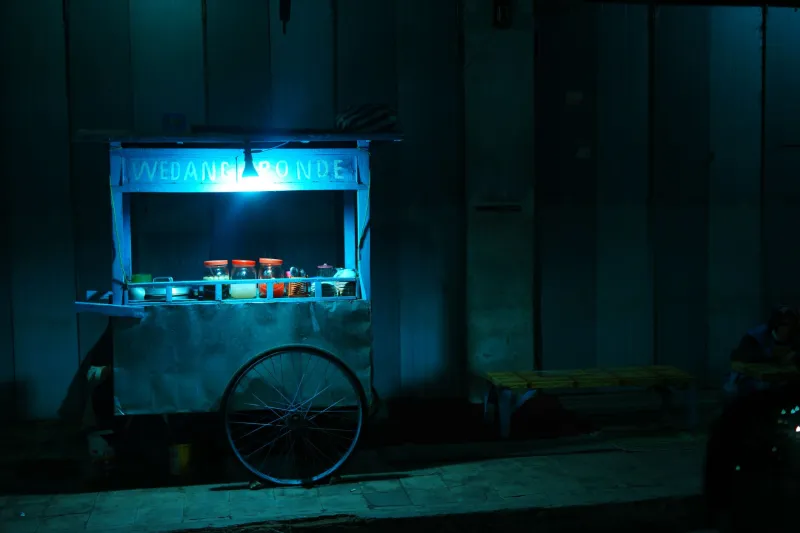
As property values in Kota Lama have risen and the area's profile has grown, longtime residents and small business owners have found themselves squeezed. Rents in and around the district have increased substantially. Some of the informal businesses that characterized the neighborhood for decades — small repair shops, food stalls, family-run warungs — have been displaced or priced out, replaced by more photogenic establishments catering to a higher-spending clientele.
"I sold noodles here for 25 years," says Pak Sugeng, 61, who ran a small food cart near the Berok Bridge until 2022. "They cleaned up the area, made it nice, and suddenly there was no room for me anymore. The space I used was needed for something else. Something prettier."
His story isn't unique. Community advocates in Semarang have documented a pattern of informal displacement — not always through formal eviction, but through the gradual economic pressure that makes staying impossible. Landlords who once tolerated low-rent arrangements now have reason to upgrade their properties and attract higher-paying tenants. Street vendors find their traditional spots suddenly subject to new regulations about where and whether they can operate.
This is, of course, a story Americans will recognize. It's essentially the same dynamic that's played out in neighborhoods from Brooklyn to Portland to New Orleans — the tension between the genuine good of physical restoration and the very real harm of economic displacement. Gentrification, as a word, has become politically loaded, but as a phenomenon, it's remarkably consistent across cultures and continents.
The Voices in Between
Not every perspective fits neatly into either camp, which is what makes this conversation genuinely complex.
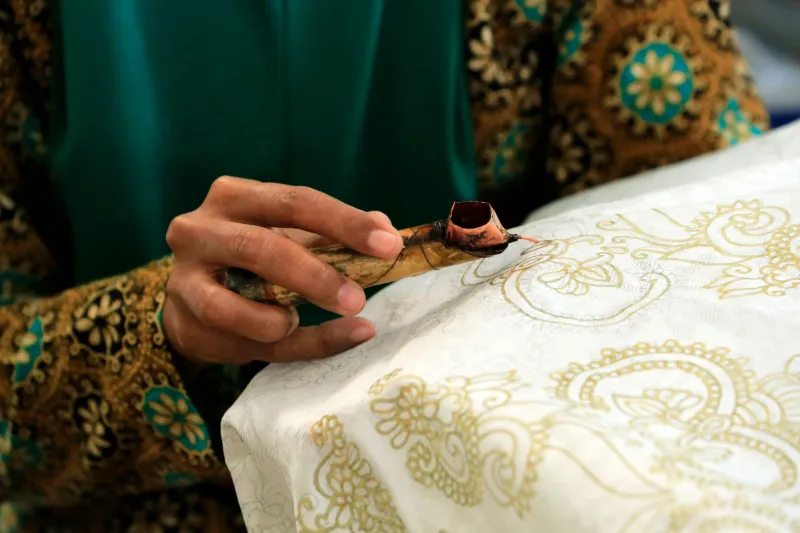
Amira, 34, runs a small batik and craft shop in Kota Lama that she opened three years ago. She's a Semarang native who moved back from Jakarta specifically because she saw opportunity in the district's revival. Business is good. She employs four people, all local. She's also deeply aware of the contradictions her success represents.
"I think about this a lot," she says, arranging fabric samples on a wooden display. "I'm part of the change that's making this neighborhood different. I don't know if that's good or bad. Maybe it's both."
That ambivalence feels honest in a way that the more strident voices on either side of the debate sometimes don't. Urban transformation is rarely cleanly good or cleanly bad. It creates winners and losers simultaneously, often in the same city block.
What Semarang Could Do Differently
Some urban policy advocates argue that cities undertaking historic district revivals need to build community protection mechanisms into the process from the beginning — not as an afterthought once the displacement has already happened.
Concrete measures might include: below-market commercial leases reserved for longtime local businesses, formal protections for street vendors whose presence is actually part of what makes a historic district feel alive rather than like a theme park, community benefit agreements that tie developer access to affordable housing commitments.
Semarang's city government has, to its credit, articulated commitments to inclusive development. Whether those commitments translate into enforceable protections for the most vulnerable residents is a question that advocates say remains genuinely open.
"A beautiful building means nothing if the people who gave this neighborhood its character can't afford to be here," says one community organizer who asked not to be named. "Heritage isn't just architecture. It's people."
The View From Here
Kota Lama is worth visiting. It's genuinely beautiful, historically significant, and increasingly vibrant in ways that feel exciting rather than sterile. Semarang deserves credit for rescuing a district that was slipping away.
But the most honest thing we can say is this: the story of Kota Lama's revival isn't finished yet. The physical restoration is largely done. The harder work — figuring out how to share the benefits of that restoration with the community that sustained the neighborhood through its difficult decades — is still very much in progress.
How Semarang navigates that challenge will say a great deal about what kind of city it wants to be. And it's a story worth watching closely.