Going Viral in Batik: Semarang's Gen Z Creators Are Dragging Indonesian Tradition Into the Algorithm
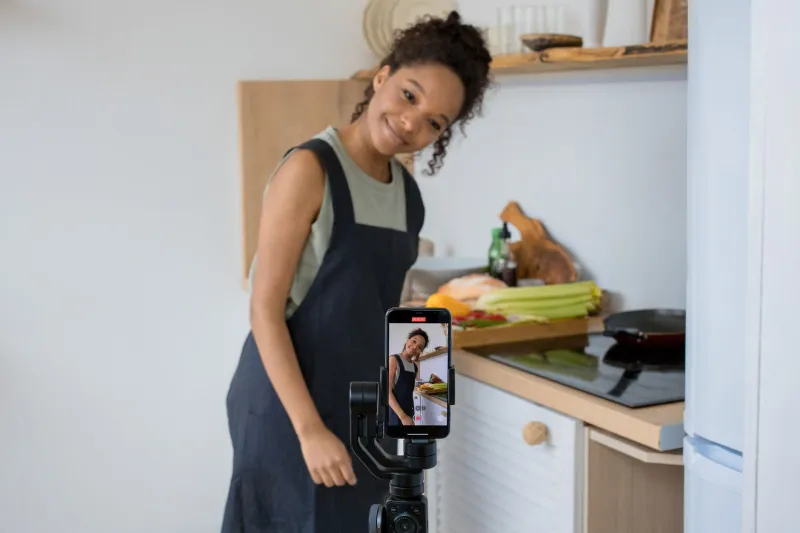
Fitri Handayani is twenty-two years old, and she has more followers than most Indonesian newspapers have readers. She got there by filming her grandmother make batik.
Not in a reverent, museum-documentary kind of way. In a fast-cut, trending-audio, here's-why-this-is-actually-insane kind of way. Her most-watched video — a sixty-second explainer on the chemistry of natural indigo dye, set to a sound that was simultaneously trending in São Paulo and Seoul — has been viewed over four million times. The comments are full of teenagers in Ohio and Germany and the Philippines asking where they can buy the cloth.
Fitri's grandmother, Mbah Sari, is eighty-one. She has been making batik since she was a child. She has never personally watched the video. "She doesn't have a phone," Fitri says, laughing. "But she knows something is happening. People started coming to the house."
That gap — between what the elders made and what the algorithm rewards — is the defining creative tension of a new generation of content creators in Semarang, a city that's turning out to be a surprisingly fertile ground for exactly this kind of cultural collision.
The City That Wasn't Supposed to Go Viral
Semarang is Indonesia's fifth-largest city, which sounds impressive until you realize how completely it gets overshadowed by Jakarta and Bali in the global imagination. It doesn't have Bali's tourist infrastructure or Jakarta's media ecosystem. What it does have is a genuinely layered cultural identity — Javanese, Chinese-Indonesian, Dutch colonial, Islamic, coastal trading — that turns out to be extremely good content.
The young creators who grew up here absorbed that layering without necessarily thinking of it as anything special. It was just home. What changed was the platform.
TikTok's algorithm, unlike Instagram's, doesn't care much about follower counts at the moment of posting. A video from a nobody in Semarang has the same shot at a global audience as a video from a verified account in Jakarta — if it hooks people in the first three seconds. That structural quirk has been genuinely democratizing for mid-sized cities like this one, and the creators who figured it out early have built audiences that are, by any reasonable measure, remarkable.
"In Jakarta, you need connections to get seen," says Dimas Pratama, twenty-five, whose channel focuses on Semarang street food and has amassed a following that would make most food TV producers envious. "Here, you just need something real. And we have a lot of real."
Disruption Comes Home for Dinner
The economics of all this are complicated, and not always in ways that feel good for the families involved.
When Fitri's videos started pulling traffic to her grandmother's batik workshop, the first instinct was pure celebration. Here was a dying craft getting a second life. Here was a young person using modern tools to honor something ancient. It was the kind of story that writes itself.
Then the orders came in, and everything got messier.
Mbah Sari's workshop produces batik the traditional way — hand-drawn, naturally dyed, slow. A single piece can take weeks. The price reflects that. But the audience that found her through TikTok wanted something they could actually afford, which meant cheaper, faster, machine-printed versions that technically carry the Semarang batik name but share almost nothing with what Mbah Sari makes.
"I created demand for something that doesn't exist at the price people want to pay," Fitri says, with a candor that's a little uncomfortable. "I'm still figuring out if that's good or bad."
This is the central paradox of the TikTok-ification of Indonesian craft culture, and it's playing out in living rooms and workshops all over Semarang. Visibility is real. The money that follows visibility is real. But the relationship between going viral and actually sustaining the thing you went viral about is thorny, and nobody has fully worked it out yet.
The Authenticity Argument
Ask the older generation what they think, and you'll get a range of responses — from cautious optimism to barely concealed alarm.
Pak Suryo, who runs a family-owned lumpia business that has been operating in Semarang for three generations, watched his daughter turn their kitchen into a content studio and initially pushed back hard. "She was making it look like a performance," he says. "Like we were characters in a show. That's not what this is."
His daughter, Rini, twenty, heard the criticism and largely ignored it. Her videos now regularly pull hundreds of thousands of views, and the family's sales have increased enough that they've been able to hire two additional workers. Pak Suryo has updated his position, if not exactly reversed it. "I still think something is lost," he says. "But I also think something is gained. I haven't decided which is bigger."
That ambivalence is honest, and it's shared by the creators themselves. The best of them aren't naive boosters who think virality solves everything. They're navigating genuinely hard questions about representation, commodification, and what it means to package your family's culture for an audience that has no context for it.
Ari Kusuma, twenty-three, who creates content around Semarang's Chinese-Javanese food traditions, has thought about this more carefully than most. "When I explain tahu gimbal to someone in Texas, I'm making choices about what to include and what to leave out," he says. "Every video is an edit. The question is whether I'm editing honestly."
What 'Made in Indonesia' Looks Like Now
Step back from the individual stories, and something larger comes into focus. The creators coming out of Semarang aren't just making content — they're actively constructing a new image of what Indonesian identity looks and sounds like to the outside world.
For decades, that image was controlled by tourism boards, export marketers, and the occasional Western documentary filmmaker. It was curated, smoothed out, and often more comfortable for foreign audiences than for the Indonesians being depicted. What TikTok has done — imperfectly, chaotically, with all the problems that come with platform dependency and algorithmic unpredictability — is hand some of that image-making power back to people who actually live here.
Fitri is aware of this, even if she doesn't always frame it in those terms. "My grandmother made batik for seventy years and nobody outside of Semarang knew her name," she says. "Now people in California are asking about her. That means something. I'm just not always sure exactly what."