From Gamelan to Guitar Pedals: Why Semarang Is Quietly Becoming Southeast Asia's Coolest Music City
If you asked most Americans to name Indonesia's music capitals, they'd probably say Jakarta or Bali — if they said anything at all. Semarang, the port city hugging Java's northern coast, rarely makes the list. But spend a weekend wandering its neighborhoods after dark, and you'll start to wonder why.
On any given Thursday night, you might stumble into a converted warehouse on the edge of the old colonial district where a four-piece indie band is riffing over a loop of live gamelan percussion. The crowd — a mix of local college kids, expat teachers, and musicians who've driven in from Yogyakarta or Surabaya — is completely locked in. Nobody's checking their phone. That's the Semarang music scene in 2024: unpretentious, genre-defiant, and quietly electric.
The Venues That Started It All
The story of how Semarang got its musical groove on is really a story about spaces. Unlike Jakarta's glossy concert halls or Bali's tourist-polished beach clubs, Semarang's scene grew up in improvised rooms — old warehouses, shophouse courtyards, and rooftop terraces that nobody else seemed to want.
Venues like Kopi Warung Kita and the beloved Ruang Rupa Collective became gathering points not just for performances but for something rarer: genuine creative conversation. Musicians would show up, jam, argue about theory, and then do it all over again the following week. The informal nature of these spaces turned out to be a feature, not a bug. There was no velvet rope keeping people out, no expensive cover charge, no pressure to be anything other than curious.
Several of these spots have since evolved into semi-professional venues with decent sound systems and small merch tables, but they've held onto that original DIY spirit. Walk in wearing a Hawaiian shirt or a vintage Radiohead tee — nobody's going to look at you sideways.
When Gamelan Stopped Being Background Music
Here's where things get genuinely fascinating for anyone with a music nerd's brain. A handful of Semarang musicians — most of them formally trained in traditional Javanese gamelan — started experimenting with the form in ways that would raise eyebrows at a conservatory.
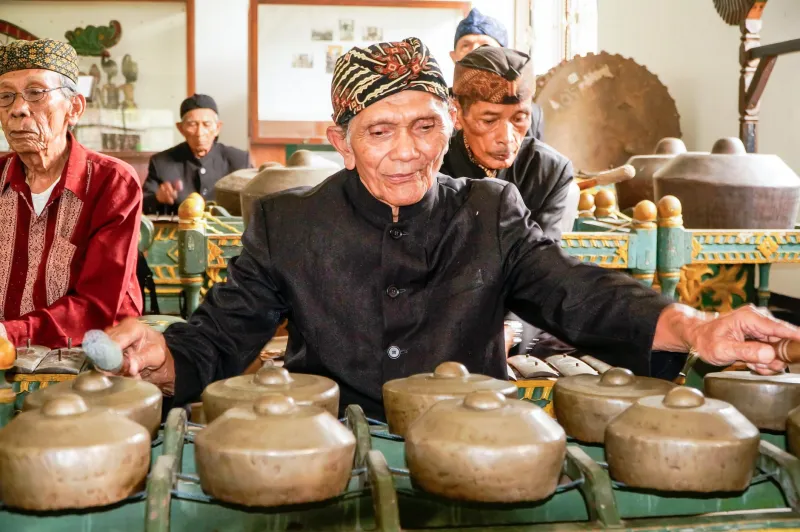
Gamelan, for the uninitiated, is a traditional ensemble of percussive instruments — bronze gongs, metallophones, drums — that has been central to Javanese culture for centuries. It's meditative, cyclical, and deeply tied to ritual. It is emphatically not supposed to be played through a distortion pedal.
And yet, that's exactly what artists like the Semarang-based collective Logam Hidup (roughly translated: Living Metal) started doing. They layer gamelan loops with synthesizers, field recordings from the city's harbor, and occasionally a screaming electric guitar. The result is something that sounds like nothing else — part ancient ceremony, part experimental ambient, part noise rock. Their self-released recordings have been picked up by music blogs in Berlin and Brooklyn, which tells you everything about how far outside Semarang's city limits their sound has traveled.
"We're not trying to preserve gamelan like it's in a museum," one member explained at a recent talk hosted at a local arts space. "We're trying to let it breathe. Let it argue with the modern world."
Independent Labels and the Infrastructure of Cool
No music scene survives on passion alone. It needs infrastructure — and Semarang has been quietly building its own.
A small but growing number of independent record labels have set up shop here, drawn by lower operating costs than Jakarta and a talent pool that's hungry for opportunities. Labels like Pelabuhan Records (pelabuhan means harbor — fitting, given the city's identity) specialize in signing artists who don't fit neatly into any commercial category. They're not chasing streaming algorithms. They're pressing limited vinyl runs, releasing cassette tapes, and building the kind of cult following that money can't manufacture.
This has created a virtuous cycle. Artists from other Indonesian cities — and increasingly from Malaysia, Singapore, and the Philippines — are making the trip to Semarang to record, collaborate, and perform. The city's relatively affordable cost of living means musicians can actually sustain themselves while taking creative risks. That's not a small thing in a region where many artists are forced to choose between their art and paying rent.
Young Artists and the Weight of History
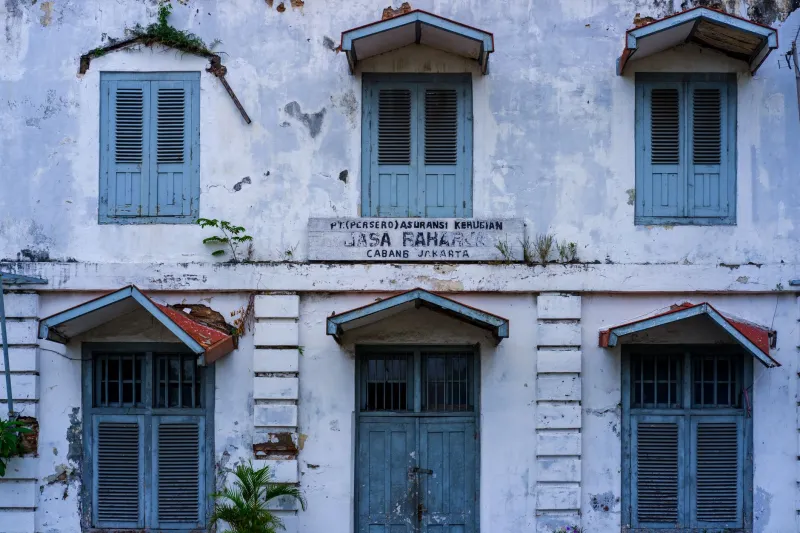
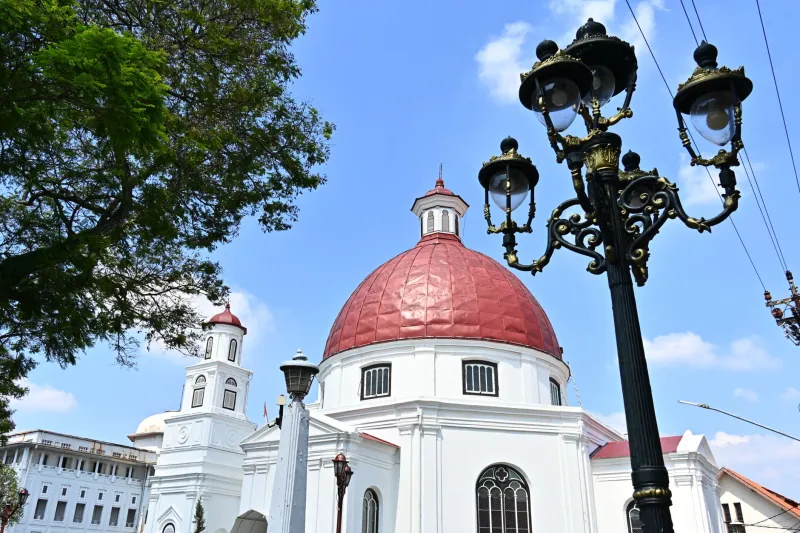
What makes the Semarang scene feel different from similar underground movements in other cities is the way young artists here engage with place. This is a city layered with history — Dutch colonial architecture, Chinese merchant heritage, Javanese tradition, and the gritty energy of a working port. That history isn't just backdrop; it's material.
Singer-songwriter Nadia Kusuma, who plays intimate sets at a standing-room-only spot near Kota Lama, writes songs that move between Javanese, Indonesian, and English in a single verse. She talks about her grandmother's neighborhood, about the smell of the harbor at 5 a.m., about watching old buildings get torn down. Her music is local in the most specific possible sense — and somehow universally resonant because of it.
"Semarang always felt like a city that was overlooked," she said after a recent show. "But that's also what gave us freedom. Nobody was watching too closely, so we could figure out who we actually wanted to be."
Why This Should Matter to You
For American travelers who've done the Bali beach holiday or the Yogyakarta temple circuit, Semarang offers something genuinely different: a city where culture is being made right now, in real time, by people who aren't performing for tourists.
The music scene is a way in — a reason to spend a few extra nights, to follow the sound of a bass guitar down an unfamiliar alley, to end up in a conversation with a gamelan experimentalist who also happens to love Wilco. These are the travel experiences that don't make it onto the highlight reel but stick with you for years.
Semarang has always been a city of arrivals and departures, a port where goods and people and ideas have passed through for centuries. Right now, the thing flowing through it is music — raw, inventive, and very much worth hearing.
So the next time someone asks you where to go in Indonesia, maybe skip the obvious answer. Tell them to follow the sound.