From Back Alleys to Your Spice Rack: Meet the Rogue Traders Keeping Indonesia's Rarest Flavors Alive
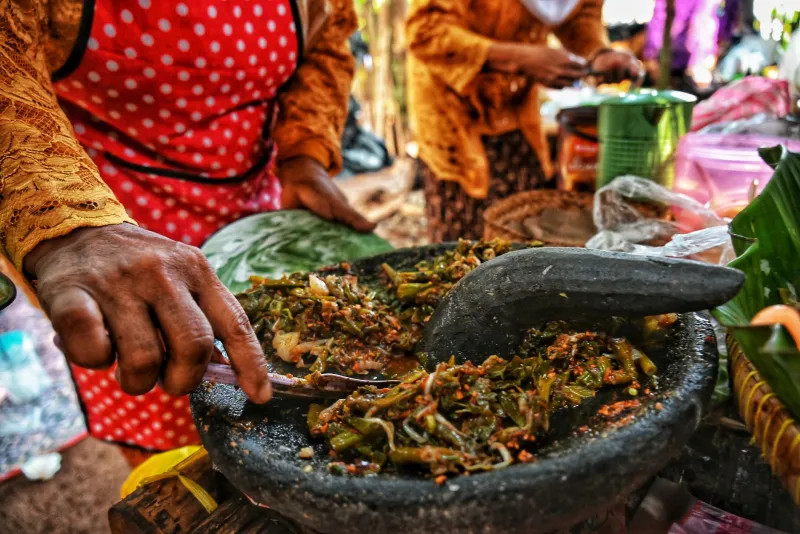
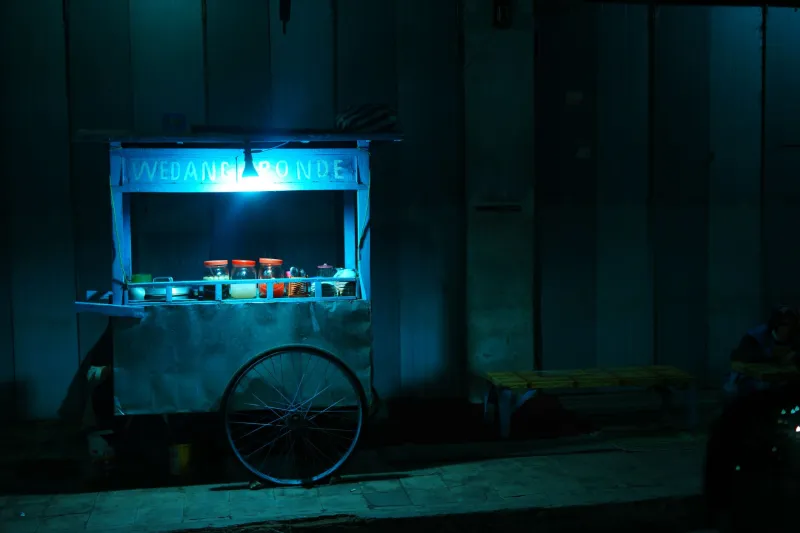
There's a particular kind of smell that hits you when you turn off Semarang's busier streets and duck into the older commercial lanes near Pasar Johar. It's not one thing — it's everything at once. Dried galangal. Toasted kemiri nuts. Something resinous and dark that you can't quite name but somehow feel like you've been missing your whole life. Follow that smell long enough, and you'll find Pak Hendra.
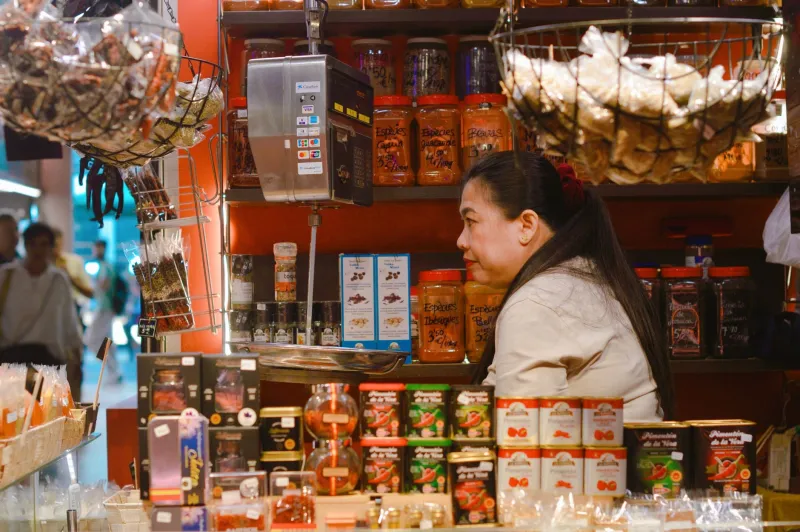
He doesn't have a storefront, exactly. He has a warehouse with a rusted rolling door, a handwritten WhatsApp number taped to a post outside, and a reputation that's traveled — somehow — all the way to restaurant kitchens in Portland and Brooklyn. He's one of a quietly growing number of independent spice traders operating out of Semarang who are doing something the global food industry largely gave up on decades ago: keeping rare Indonesian spice varieties alive by selling them directly to the people who actually want to cook with them.
"The big exporters, they want consistency," Pak Hendra says, sorting through a tray of dried andaliman berries with the casual confidence of someone who's done it ten thousand times. "Same color, same size, easy to ship. But the interesting spices — the old ones — they don't work like that. So nobody bothers."
Somebody bothers now.
The Spice Trade Has Always Had a Shadow Side
Semarang's connection to the global spice economy isn't new. The city's position on Java's north coast made it a critical node in the colonial Dutch spice network for centuries, and its warehouses once held nutmeg, cloves, and pepper destined for European tables. That history is baked into the city's architecture, its street names, and the DNA of its food culture.
What's different today is the direction of the flow — and who controls it. Where colonial-era trade stripped spices out of the archipelago and concentrated profits in European hands, this new informal network runs on entirely different logic. It's local knowledge, personal relationships with farmers in remote parts of Java, Sulawesi, and Maluku, and a direct digital connection to buyers who've grown skeptical of the sanitized, standardized spice blends lining supermarket shelves back in the States.
These traders aren't operating illegally, to be clear. The "underground" label is more about attitude than actual smuggling — they're just aggressively outside the mainstream commercial supply chain. No brokers. No certification agencies taking a cut. No flavor-leveling processes that knock the edges off something genuinely unusual.
The Spices You've Never Heard Of (But Should)
Ask Pak Hendra what he's most excited about right now and he disappears into the back of the warehouse for a few minutes. He comes back with three small cloth bags.
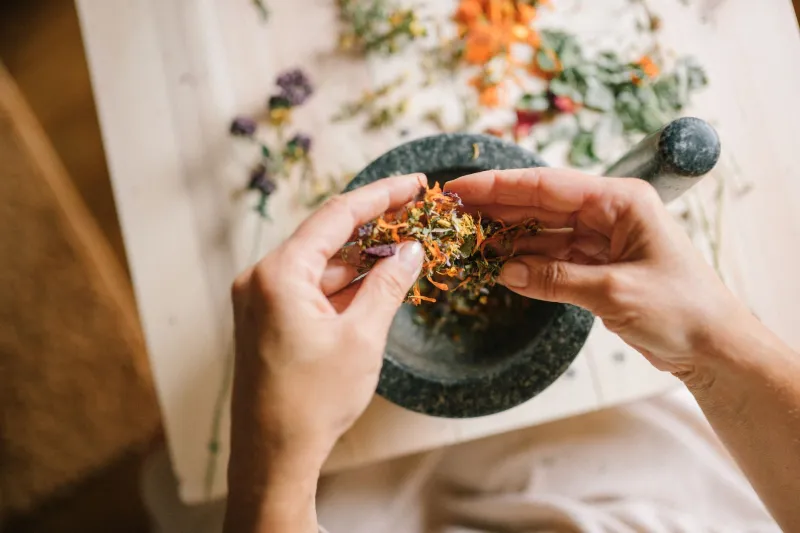
The first holds kaempferia rotunda — a relative of ginger with a flavor profile that sits somewhere between turmeric and camphor, used in traditional Javanese cooking but almost entirely absent from commercial spice exports. The second is a dried variety of long pepper called cabe jawa, which predates black pepper in most of the world's spice histories and has a slow-building heat that lingers in a completely different way. The third is harder to describe: a smoked, fermented form of tempoyak made from durian pulp that functions almost like a seasoning paste, intensely local, deeply funky, and — according to a handful of American chefs who've gotten their hands on it — unlike anything else in a Western kitchen.
"These things exist because farmers kept growing them for themselves," Pak Hendra explains. "Not for the market. For their own kitchens. That's the only reason they survived."
That fragility is the point. Several of the varieties these traders work with exist in genuinely small quantities. Some are grown by single farming families on plots that measure in the hundreds of square meters, not hectares. The commercial market has no mechanism for handling that kind of scarcity — but a direct relationship between a Semarang trader and a chef in Chicago who's willing to pay a fair price? That works.
A Pipeline Built on Trust and Instagram
The logistics of how this actually functions are equal parts old-school and surprisingly modern. Relationships with farmers are maintained the way they've always been in Java — through repeated visits, shared meals, and the slow accumulation of mutual respect. But the customer-facing side runs almost entirely through social media and messaging apps.
Sri Wahyuni, another trader who operates out of a converted shophouse near the old city's edge, built her entire international customer base through a combination of Instagram posts and word-of-mouth in food-focused online communities. Her posts are simple — usually just a close-up photo of whatever she's currently working with, a few sentences of context, and a prompt to DM for availability. The response, she says, surprised her.
"The first time someone from California messaged me asking about andaliman, I thought it was a mistake," she laughs. "But they knew exactly what it was. They'd read about it somewhere. They wanted to cook with it. That was three years ago. Now I ship to six countries."
For American cooks, the appeal makes sense in context. The last decade has seen a serious appetite for what food writers often call "authenticity" — flavors that feel genuinely rooted somewhere, that carry actual cultural and agricultural history rather than the generic heat or sweetness of mass-market products. Semarang's informal spice network is, whether intentionally or not, perfectly positioned to meet that demand.
What Gets Preserved When Someone Pays Attention
There's a conservationist argument lurking underneath all of this that doesn't get made loudly enough. When a rare spice variety has a market — even a small, niche, internationally scattered one — farmers have a reason to keep growing it. When it doesn't, it gets replaced with something more commercially viable, and the variety quietly vanishes.
Pak Hendra is blunt about this: "If nobody buys the old spices, the farmers grow chili and palm. That's it. The old things disappear. It's not complicated."
The traders in Semarang's back alleys aren't operating as nonprofit conservationists. They're running businesses. But the effect of what they do — maintaining demand for rare varieties, paying farmers directly, creating documentation of flavors that might otherwise go unrecorded — functions a lot like preservation work, even if nobody's filing grant applications for it.
Getting Your Hands on the Good Stuff
For anyone in the US curious about accessing this network, the entry point is usually a food community — a Reddit thread, a Discord server for serious home cooks, or a recommendation from a chef who's already made the connection. Sri and traders like her are findable, but they're not advertising widely. Part of the appeal, honestly, is that you have to want it enough to look.
Shipping times from Semarang to the continental US run about ten to fourteen days for standard international post, and most traders package their products carefully enough to survive the journey without significant degradation. Prices vary, but even the rarest varieties tend to come in at a fraction of what you'd pay for a boutique spice retailer stateside — assuming the boutique retailer even carried them, which they almost certainly don't.
Semarang has always been a city where commerce and culture blur together in interesting ways. Its spice traders — the informal ones, the ones with the rusted warehouse doors and the WhatsApp numbers — are just the latest version of something this city has been doing for a very long time: connecting the flavors of the Indonesian archipelago to a world that's hungry for them.