Something Borrowed, Something Bold: Inside the Semarang Wedding Boom Reshaping Javanese Tradition
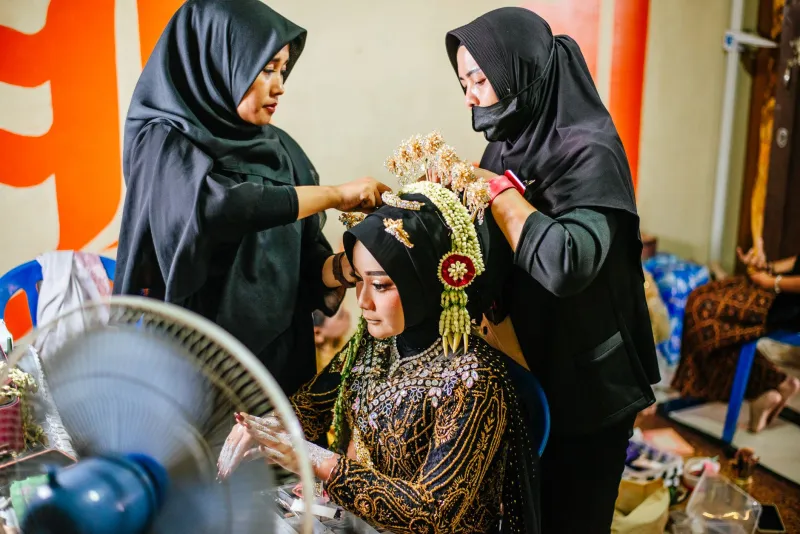
The wedding starts, as traditional Javanese weddings always have, with the siraman — a ritual bathing ceremony in which the bride is blessed by her elders with water infused with flowers and fragrance. It is quiet, intimate, and deeply moving. It is also being filmed by three people with professional cameras and one with a drone.
This is a Semarang wedding in 2024, and it contains multitudes.
The ceremony will be followed by a reception featuring a live jazz quartet, a dessert table with artisanal kue lapis alongside French macarons, and a photo installation that the couple designed themselves using archival images of their families. The bride's kebaya was commissioned from a local designer who spent two months embroidering it by hand. The groom's batik was sourced from a workshop in Pekalongan that's been operating for four generations.
The planner who orchestrated all of this is 34 years old, runs a team of eleven, and has a waitlist that stretches eighteen months.
The Business of Belonging
Semarang's wedding industry has always been substantial — in Javanese culture, a wedding is one of the most significant social events a family will host, and the expectations around hospitality, ceremony, and community participation are considerable. But something has shifted in the past five or six years that's transformed the sector from a service industry into something closer to a creative economy.
Younger couples — many of them with higher disposable incomes, exposure to global aesthetics through social media, and a more complicated relationship with tradition than their parents had — are coming to their wedding planners with a different kind of brief. They want ceremonies that feel authentic to their cultural identity and original in their expression. They want something that honors their grandparents and impresses their peers. They want, in other words, to have it both ways.
"The couples I work with aren't rejecting tradition," says Hana, the planner behind the jazz-and-siraman wedding described above. "They're interrogating it. They want to understand why each part of the ceremony exists before they decide how to present it. That makes my job harder and so much more interesting."
Hana's company — she started it at 28 with savings from three years of event coordination work — now handles around forty weddings a year, ranging from intimate garden ceremonies to multi-day celebrations for families hosting five hundred guests. Revenue, she says without specifying figures, has grown every year since founding.
Female Power at the Altar
One of the quieter but more significant stories inside Semarang's wedding boom is who's running it. The industry here is dominated by women — planners, stylists, florists, cake designers, photographers specializing in ceremony coverage, and the seamstresses and embroiderers whose work anchors the visual identity of every event.
Many of these women built their businesses with minimal outside capital, growing through referrals and social media presence rather than formal investment. The wedding industry's project-based structure suited early-stage entrepreneurship: each event was a discrete revenue event that could fund the next phase of growth.
"I didn't have a business plan," admits Rika, 30, who runs a floral and décor studio that supplies arrangements for dozens of weddings each month. "I had a really good eye, a phone with Instagram on it, and one wedding where I got to do exactly what I wanted. After that, the phone didn't stop."
Rika's studio now employs eight people full-time and a rotating crew of freelancers during peak season. She's started offering workshops for aspiring floral designers — another revenue stream, and, she says, a way of paying forward the mentorship she wishes she'd had.
The Destination Wedding Factor
Something that would have seemed unlikely a decade ago is now a genuine trend: couples from outside Semarang — from Jakarta, from Surabaya, and increasingly from Singapore, Malaysia, and the Indonesian diaspora in Australia and the Netherlands — are choosing the city as a wedding destination.
The appeal is a combination of factors. Semarang offers the full richness of Central Javanese ceremonial culture in a city that's easier to navigate and considerably less expensive than the capital. The old city's Dutch colonial architecture provides a backdrop that photographs beautifully. And the local vendor ecosystem — the planners, the artisan fabric suppliers, the traditional gamelan ensembles available for hire — has matured to the point where it can support sophisticated, high-budget events.
"We had a couple fly in from Amsterdam last year," says Hana. "She's Javanese-Dutch, he's Dutch-Dutch, and she wanted her family to experience what a real Javanese wedding looks like. We planned for eight months. It was the most complex thing I've ever done, and it was perfect."
The economic ripple effects of destination weddings extend well beyond the planning fee. Guest accommodation, catering, transportation, pre-wedding excursions, and post-ceremony spending all flow into the local economy in ways that tourism boards elsewhere spend millions trying to engineer.
The Food Table as Cultural Statement
No conversation about Semarang weddings is complete without talking about the food — because in this city, the reception spread is as much a cultural statement as the ceremony itself.
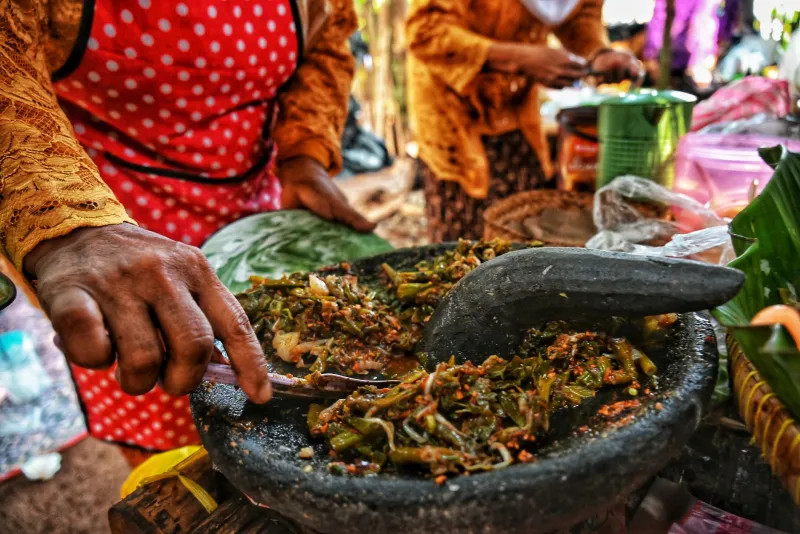
Traditional Javanese wedding banquets feature dishes that carry specific ceremonial significance: nasi kuning (yellow rice) symbolizing prosperity, various opor preparations, and the layered cakes whose presence signals abundance and celebration. Contemporary Semarang planners are working with caterers to present these dishes in ways that feel elevated without losing their meaning — beautiful serving vessels, thoughtful tablescaping, and menu notes that explain the cultural context of each dish to guests who might not already know.
Some couples are pushing further, incorporating dishes from their family's specific regional traditions or commissioning custom recipes that blend Javanese flavor profiles with contemporary technique. The result, at the best events, is food that tells a story.
"A wedding in Semarang should taste like Semarang," one caterer told us simply. "Everything else can be beautiful and modern. The food has to be honest."
In a city that takes both its heritage and its ambitions seriously, that tension — between honesty and aspiration, between the old and the new — turns out to produce something worth celebrating.